

All-in-one spread complete with thoughtful pairings and a tasting guide.



Gifting has never been easier
Perfect if you're short on time or are unable to deliver your gift yourself. Enter your message and select when to send it.


She used to finish lunch and start grazing within the hour. Then she changed one thing about what she ate at midday, and the afternoon snack hunt simply stopped.
By two in the afternoon, the pattern was always the same. She'd eaten lunch, a real one, and there she was at the kitchen counter again, opening cabinets. Not quite hungry. Not quite finished. A handful of crackers. A few chips. A second coffee to bridge the gap to dinner.
If that sounds familiar, you're in good company. Most people blame themselves for it, and call it snacking, or boredom, or weak willpower. But the research points somewhere far less personal: the lunch itself was never built to make you feel done.
Here is the part the food labels skip.
Researchers who study satiety, the technical word for feeling satisfied and finished with food, keep circling the same nutrient: protein. Of the three macronutrients, protein appears to do the most to quiet appetite and reduce the urge to keep grazing afterward.
And there's a threshold. Studies suggest that meals with around 30 grams of protein tend to leave you genuinely satisfied. Below that line, your body keeps the search running. Above it, the search switches off.
Now look at what most of us actually eat at midday. The grab-and-go salad. The protein snack pack from the cooler. The wrap that has been sitting since this morning. Most of them land far below 30 grams. They were engineered, understandably, to be convenient for the store: long shelf life, mass production, ingredients chosen to survive a supply chain rather than to leave you satisfied.
That's the trap. It's not that you lack discipline. You were handed a lunch built to be convenient for a warehouse, then asked to feel full from it.
The people who break the 2 p.m. habit rarely white-knuckle it. They change one thing: they start eating a lunch that actually crosses the line.
And the best version isn't a chalky shake or a sad chicken breast. You can hit the same number with food you actually crave: aged cheese, cured meat, dried fruit, nuts. The kind of plate you'd order at a wine bar, only built to do a job.
That's the idea behind AppyHour Gourmet Bites. Each one starts with a single artisan cheese, the kind you rarely find on a grocery shelf, then layers in premium charcuterie, dried fruit and nuts (with a few crackers along for the ride). The cheese is the point, and the math is the proof: each tray packs 6.55 ounces of food and 28 to 35 grams of protein, right in the range the research keeps pointing to.

The other half of the fix is the part people underestimate: zero prep. It arrives pre-portioned and ready to eat. No board to assemble, no slicing, no cleanup. You open it and you're eating in under a minute.
It's fair to be skeptical. The supermarket already sells plenty of plastic grab-and-go lunches and protein packs, and most are disappointing. So here's the real difference. It comes down to the cheese.
| Typical store "quick lunch" | AppyHour Gourmet Bites | |
|---|---|---|
| The cheese | Commodity, mass-made | A single artisan cheese, cheesemonger-selected |
| Protein | Typically lower in protein | 28 to 35g per tray |
| How it's built | Items boxed for convenience | Built around the cheese, paired to work as one |
| Freshness | Can sit on a shelf for weeks | Made to order, cut and shipped fresh |
| Built for | Shelf life and mass production | Actually finishing your hunger |
The cheeses are the giveaway. These are small-batch finds you rarely see on a supermarket shelf, sourced from artisan producers and paired by cheesemongers, then rotated so lunch stops being the most boring decision of your day. One longtime charcuterie lover put it plainly after switching her weekday lunches over:
Each tray is anchored by one cheese with a real point of view, then matched with charcuterie, fruit and nuts chosen to bring it out. You can see the current lineup any time.

DOP Gruyère, capocollo, dark chocolate almonds and dried tart cherries.

Manchego Aurora, Jamón Serrano, sun-dried figs and Marcona almonds.

Honey Clover Gouda, prosciutto, dried tart cherries and hazelnuts.

Wine-washed Ubriaco al Pinot Rosé, smoked speck, coconut cashews and figs.

Piave Vecchio, fennel-spiced Finocchiona, Turkish figs and hazelnuts.
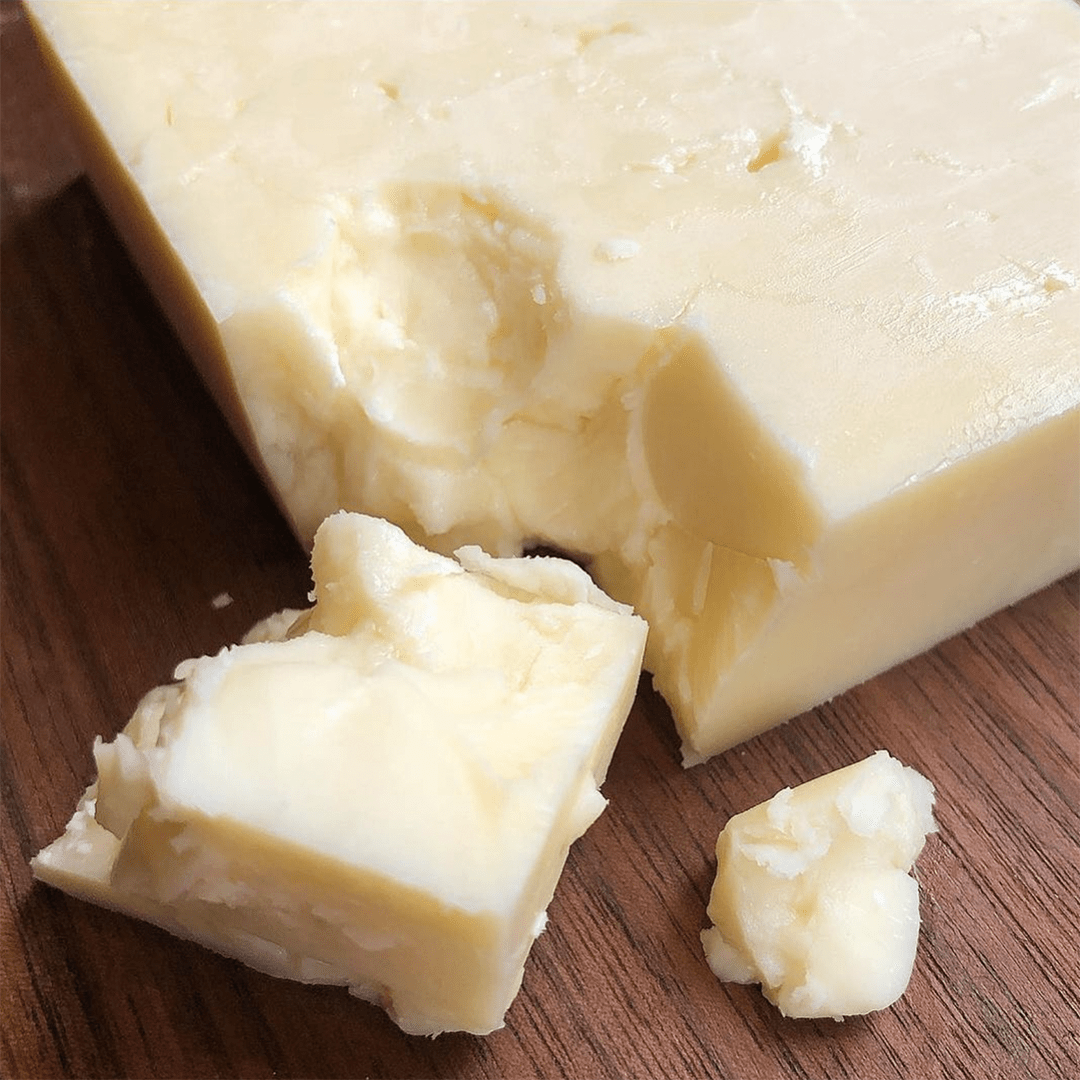
Prairie Breeze, applewood smoked speck, dark chocolate cranberries and pecans.
The honest objection is cost, and it deserves a straight answer. These aren't gas-station snack packs, and they aren't priced like them. A box of six trays starts at $85, about $14 a tray, on the schedule you choose.
What changes the math for most members is what is actually in each tray. One member who does this for a living broke it down better than any marketer could:
Against a $15 sad-desk salad or a daily lunch out, a tray that actually ends the afternoon grazing starts to look less like a splurge and more like a swap. As another member who hesitated put it: "I was skeptical given the price, but it is well worth it."

This is the quiet promise, and it's a small one. That's exactly why it's believable. You're not going to transform your life. You're going to eat lunch and then not think about food for the rest of the afternoon.
No second trip to the kitchen. No 3 p.m. vending machine. No low hum of "what else is there" running underneath your meetings. Just lunch, finished, the way it is supposed to work. One member, Rachel H., summed up the whole experiment in four words: "My new favorite lunch."

After checkout you choose your flavors. The honest test is simple: eat one for lunch, just once, and pay attention to the hour that follows. See if the kitchen calls you back. For a lot of people, it is the first afternoon in a long time that it doesn't.